

Ecommerce website design · UK
Ecommerce Website Design
An online shop has one job: to sell. A surprising number are designed to do a different one, which is look nice in the pitch meeting.
Let's TalkI'm Nigel Boulton, a UK ecommerce website designer and developer. I've been designing and building online shops since 1997, on Shopify, Magento and a few platforms that have since, thankfully, been retired.
I design ecommerce websites for UK businesses whose shop needs to earn its keep: clear to browse, quick to load, easy to buy from and simple for your team to run. I do the design and the build myself, so nothing gets lost between a mock-up and the finished store.
The short answer
What is ecommerce website design?
Ecommerce website design is planning and designing an online shop around how your customers browse and buy. It covers the structure of the catalogue, navigation, search, product and collection pages, the basket and checkout, mobile use, speed and the trust signals that help people decide.
-
It starts with structure
How products are grouped, named and found matters more than colours and fonts. Get the structure wrong and no amount of polish will fix it.
-
It is measured in sales
A good design reduces the number of reasons someone has to leave. That shows up in conversion rate, average order value and fewer customer service emails.
-
It has to be run by real people
Your team will update it every week. If adding a product or a banner needs a developer, the design has failed.
How I work
Design for the shop you run,
not the one in the demo.
Four things I don't compromise on, whatever the platform.
Platform second
I start with your products, customers and operations, then choose or confirm the platform. Shopify suits most UK retailers. Magento still earns its place for complex catalogues and B2B.
UX and conversion first
Navigation, filters, product pages and checkout are designed around how your customers actually shop, using your analytics rather than guesswork.
One person, design and build
You work directly with me from the first conversation to launch. No account managers, no hand-offs, no junior quietly learning on your project.
SEO from day one
Category structure, URLs, internal links, structured data and redirects are planned before anything is designed, not bolted on the week before launch.
Shopify or Magento? The platform comes second
I design and build on both, so I don't need to sell you either one. For most UK retailers, Shopify is the sensible choice: quick to launch, easy to run and cheaper to maintain. Magento makes sense when the catalogue, pricing rules or B2B requirements are genuinely complex, or when you already have a large investment in it.
If you already know where you're heading, the platform pages go into more detail:
If you're still deciding, Shopify or Magento: choosing the right platform is a straight comparison, and I'm happy to tell you which I'd pick for your business on a call.

What's included
What an ecommerce design project covers
Catalogue & navigation
Collection and category structure, menus from simple to mega, filters and on-site search, so customers find the right product in as few clicks as possible.
Product & collection pages
Layouts that answer the questions buyers actually ask: size, fit, delivery, returns, stock and reviews, in the order they ask them.
Basket & checkout
Fewer surprises and fewer steps. Delivery costs, payment options and trust signals where people look for them.
Mobile & speed
Designed for phones first, because that's where most UK shoppers are. Lean templates and careful app choices keep pages fast.
Content your team can edit
Sections and templates your team can update without a developer, from homepage banners to landing pages.
SEO & launch
Structured data, internal linking, metadata and a tested redirect map, so a new design doesn't cost you the rankings you already have.
The process
How an ecommerce design project works
-
A proper conversation
I learn how the business works, who buys, what sells and what's getting in the way. You get honest advice, even if that's "you don't need a new site".
-
Structure before pixels
Catalogue, navigation and page structure are planned and agreed before any visual design. This is where most of the commercial value is.
-
Design and build
I design the key templates, then build them myself, checking them on real devices as I go rather than at the end.
-
Launch and after
Redirects, tracking and Search Console are checked before and after launch. Then we look at what the data says and improve from there.
Redesign, rebuild or fix what you've got?
Not every tired-looking shop needs a full ecommerce website redesign. Sometimes the problem is three templates, a slow app and a confusing menu. Sometimes the platform really has run out of road.
If you're not sure which, start with an audit. An SEO and technical audit, a CRO audit or a UX audit will tell you what is actually holding the store back, so you spend money on the right thing.

Integrations
Your shop is only the part customers see.
Behind it sit stock, orders, couriers, payments and accounts. If those don't talk to the website properly, the customer notices, usually as an out-of-stock product they've just paid for.
I've been connecting online shops to the systems behind them for a long time. On the Natural History Museum shop I integrated the store with the museum's stock and payment systems, and for BBC Top Gear merchandise I built Despatch.IT, an operations platform for orders, stock and fulfilment.
Stock & inventory
Accurate stock across warehouses, suppliers and dropship feeds, so the website never sells what you don't have.
EPOS & ERP
Shop tills and back-office systems kept in step with the website for products, prices, stock and orders.
Fulfilment & couriers
Orders sent to your warehouse or 3PL automatically, with tracking passed back to the customer.
Payments & accounts
Payment providers, accounting software and marketplaces connected, so nobody has to rekey orders.
Selected work
Case studies
I document selected projects here: the commercial challenges, the decisions made, what was built, and what improved as a result.
See all case studies-
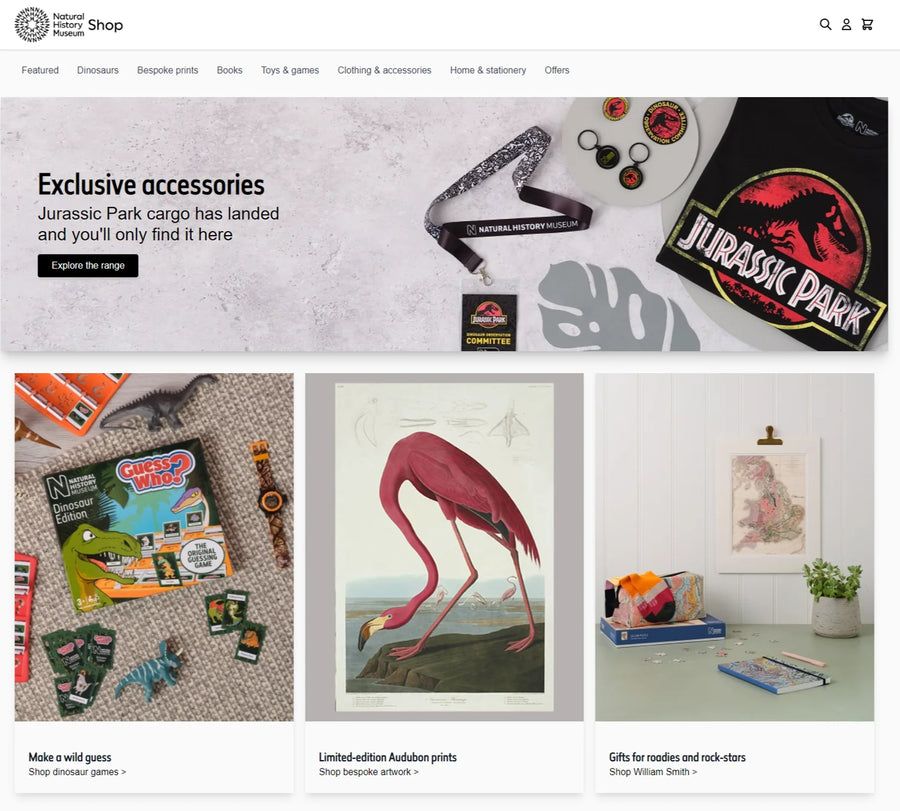
Magento · Hyvä redesign
Revamping the Natural History Museum Online Shop
Refreshing the Natural History Museum's online shop: a Hyvä frontend, clearer navigation, richer product pages and integration with stock and payments.
-
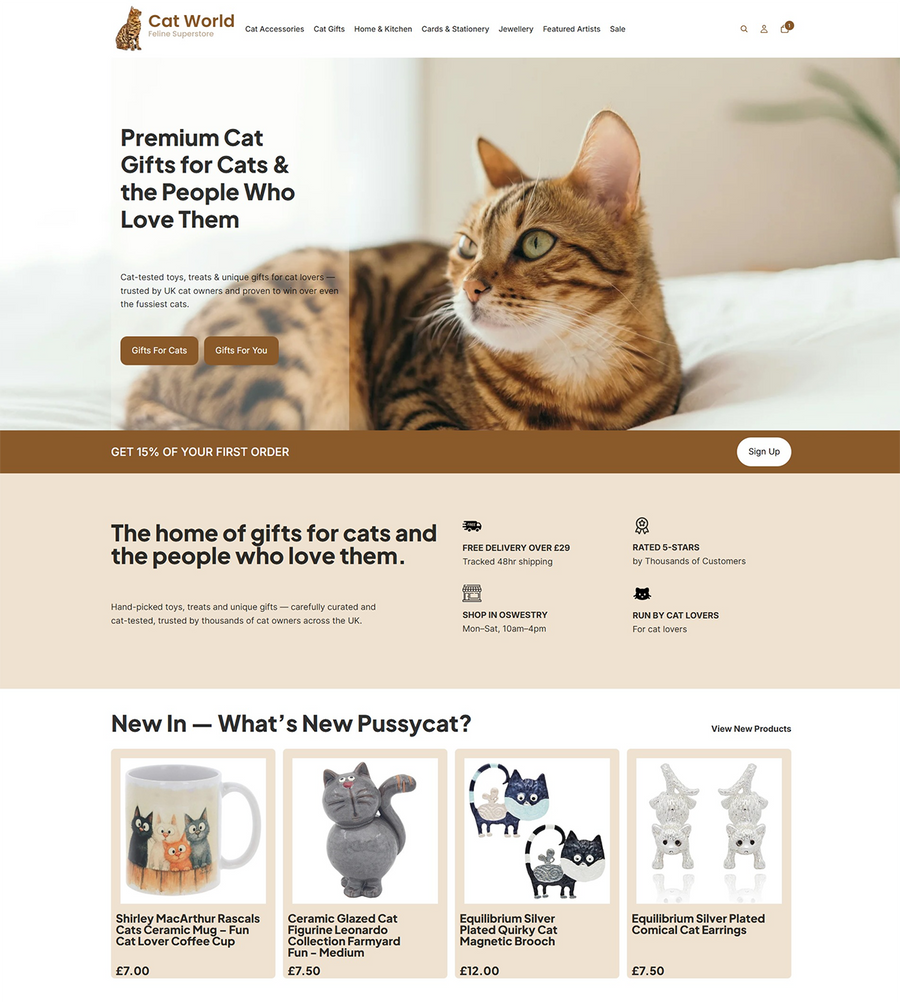
Shopify · Rebuild
A Shopify Rebuild That Grew Cat World's Sessions by 102%
Rebuilding a specialist pet retailer on Shopify, with sessions up 102% after launch.
-
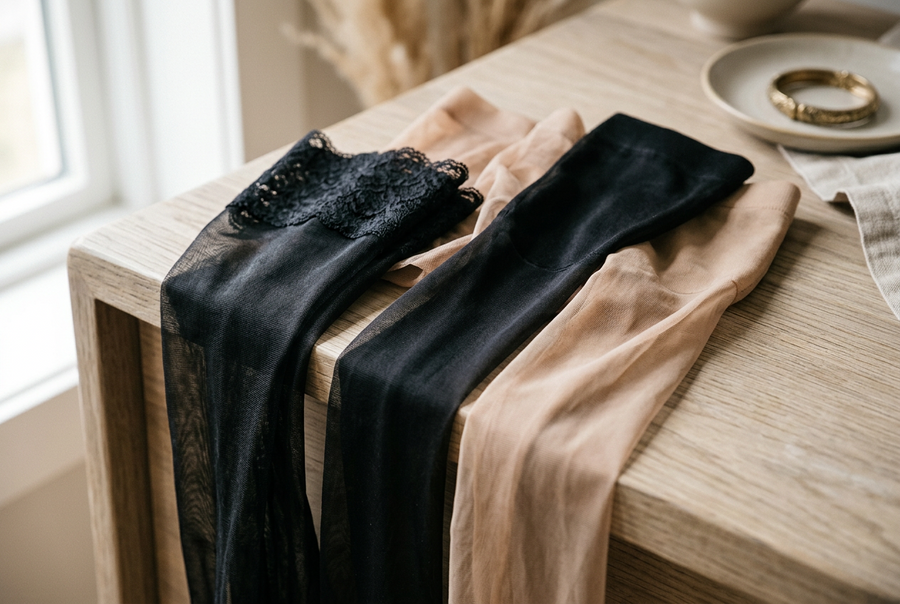
Shopify · Rebuild & SEO
Tights Tights Tights: Rebuilding a Specialist Hosiery Retailer on Shopify
Rebuilding a 25-year-old UK hosiery retailer on Shopify after a migration caused a lasting fall in organic traffic.
How much does ecommerce website design cost in the UK?
It depends on the size of the catalogue, the design work and the integrations. As a guide, a customised Shopify theme typically costs £2,000 to £10,000 and a fully custom Shopify build £10,000 to £30,000. Complex Magento or heavily integrated builds cost more. I scope every project individually and give you a clear figure before any work starts. For a fuller breakdown, see how much a Shopify developer costs in the UK.
How long does an ecommerce website take to design and build?
Most projects take several weeks from first conversation to launch, longer with complex integrations or large migrations. You get a realistic timeline upfront, not an optimistic one.
Which platform should I use for my online shop?
For most UK retailers, Shopify. Magento suits complex catalogues, pricing rules and B2B. I work with both, so the recommendation is based on your business rather than what I'd prefer to build.
Do you use templates or design from scratch?
Either, depending on budget and need. A well-chosen theme, properly adapted, is often the right answer. A custom design makes sense when the store is central to the business. I explain the trade-offs in custom vs template Shopify.
Will a redesign hurt my search rankings?
It can, if it's done carelessly. I plan URLs, redirects, metadata and internal links before launch and check Search Console afterwards, so you keep the rankings you've earned.
Can you redesign an existing online shop without rebuilding it?
Yes. Often the best value is improving the templates that matter most, such as product, collection and basket pages, rather than starting again.
Do you work with businesses outside Shropshire?
Yes. I'm based in Shrewsbury and work with ecommerce businesses across the UK, mostly remotely, with calls and screen shares rather than long trips to meeting rooms.
Do you connect the website to our stock and order systems?
Yes. Integrations with stock, EPOS, ERP, fulfilment, couriers and accounting are a normal part of my projects.
When you're ready
If you want agency theatre,
there are plenty of options.
If you want an online shop designed around your business and built to sell, let's talk. No hard sell, just straight answers.
Call 07815 743 072